The Sonnenberg bunker in Lucerne is one of the largest civil-defense shelters ever constructed and was once considered the largest civilian nuclear fallout shelter in the world. Built during the Cold War between 1971 and 1976, the installation was designed to protect up to 20,000 people in the event of nuclear war.
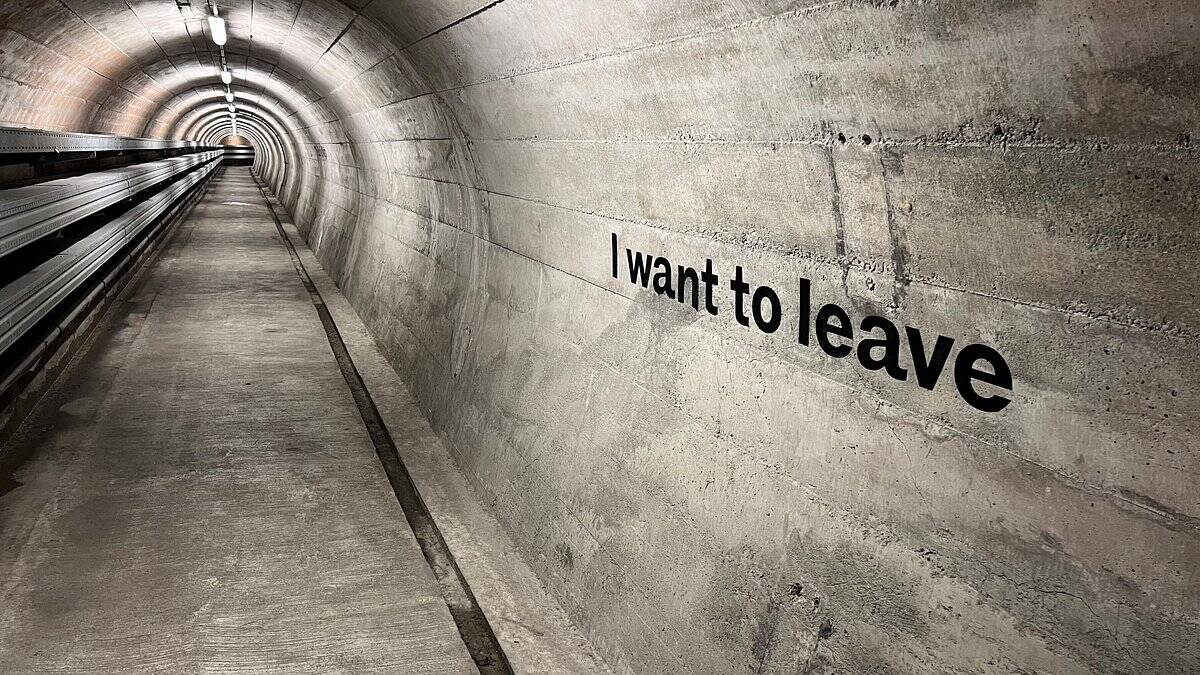
The bunker was integrated into the Sonnenberg motorway tunnel on the A2 highway. The shelter system consists of two parallel road tunnels approximately 1.5 km long, each capable of housing about 10,000 people once sealed and converted into emergency accommodation. In a crisis, traffic would be stopped and the tunnel entrances closed by four massive blast doors, each about 1.5 m thick and weighing roughly 350 tons, designed to withstand the pressure wave of a nuclear explosion within about one kilometer.
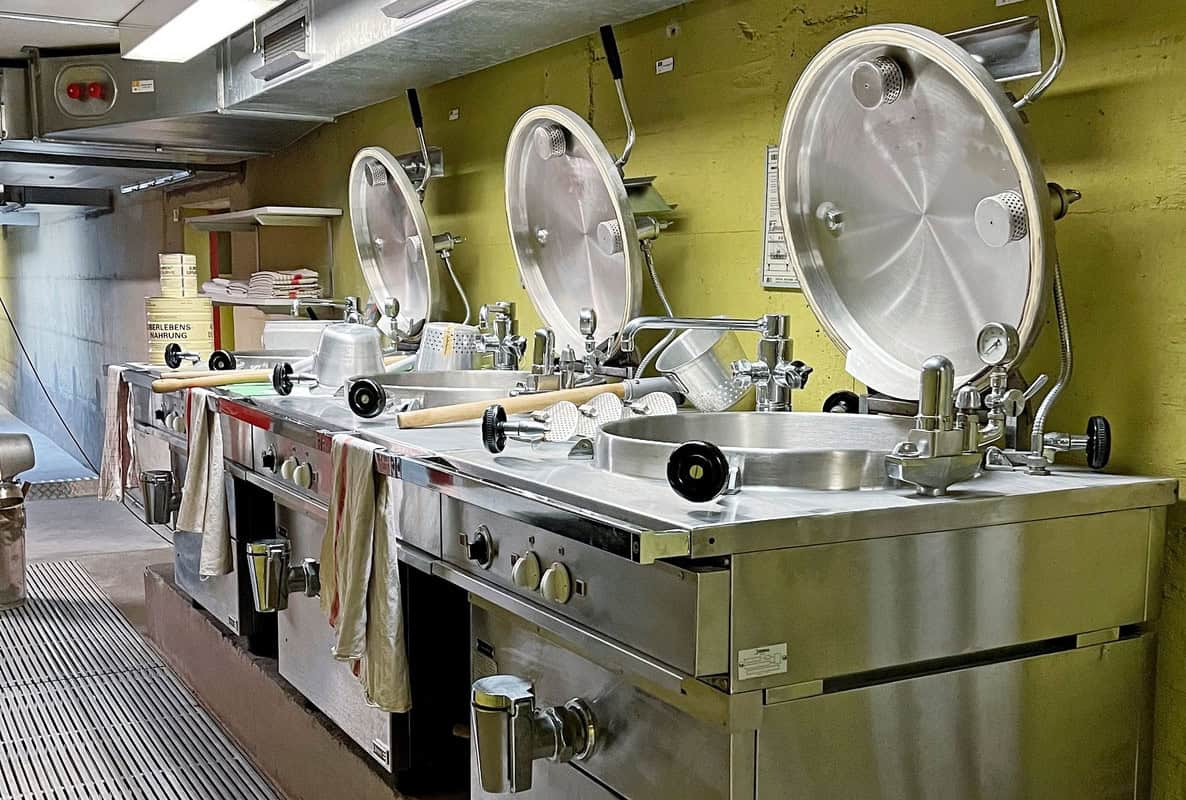
Above the motorway tunnels lies a seven-story underground cavern, which served as the operational core of the facility. This central complex housed the bunker’s command center, communications rooms, emergency hospital with operating theatre, radio studio, technical systems, and logistical infrastructure needed to support thousands of civilians underground. The shelter was also equipped with diesel generators, ventilation systems, kitchens, storage areas, and other facilities required for extended habitation.
The project was built in response to Switzerland’s 1963 federal civil-defense law, which required that every resident have access to a nuclear shelter. Sonnenberg was intended to provide protection for a large portion of Lucerne’s population and served as a flagship example of the country’s extensive bunker program.
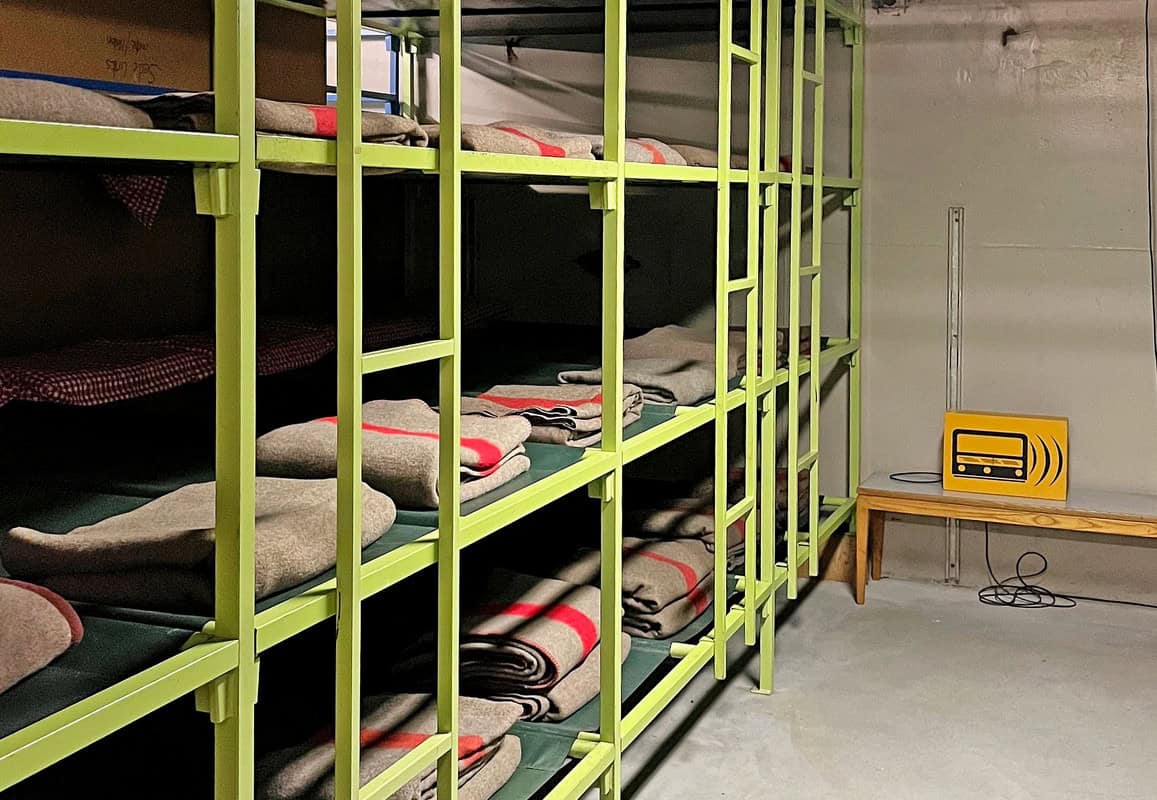
In 1987, a large civil-defense exercise tested the conversion of the motorway tunnels into a functioning shelter. The drill revealed significant logistical challenges, including the difficulty of sealing the tunnels and installing thousands of beds quickly enough for an emergency. As a result, the practical shelter capacity was reassessed and confidence in the concept declined.
Following the end of the Cold War and due to high maintenance costs, the dual-use motorway shelter concept was eventually abandoned. In 2006, the Swiss authorities decided to reduce the installation to a smaller civil-protection facility. Today only the central cavern remains in use as a shelter, with a capacity of approximately 2,000 people, while the tunnels function solely as part of the A2 motorway.
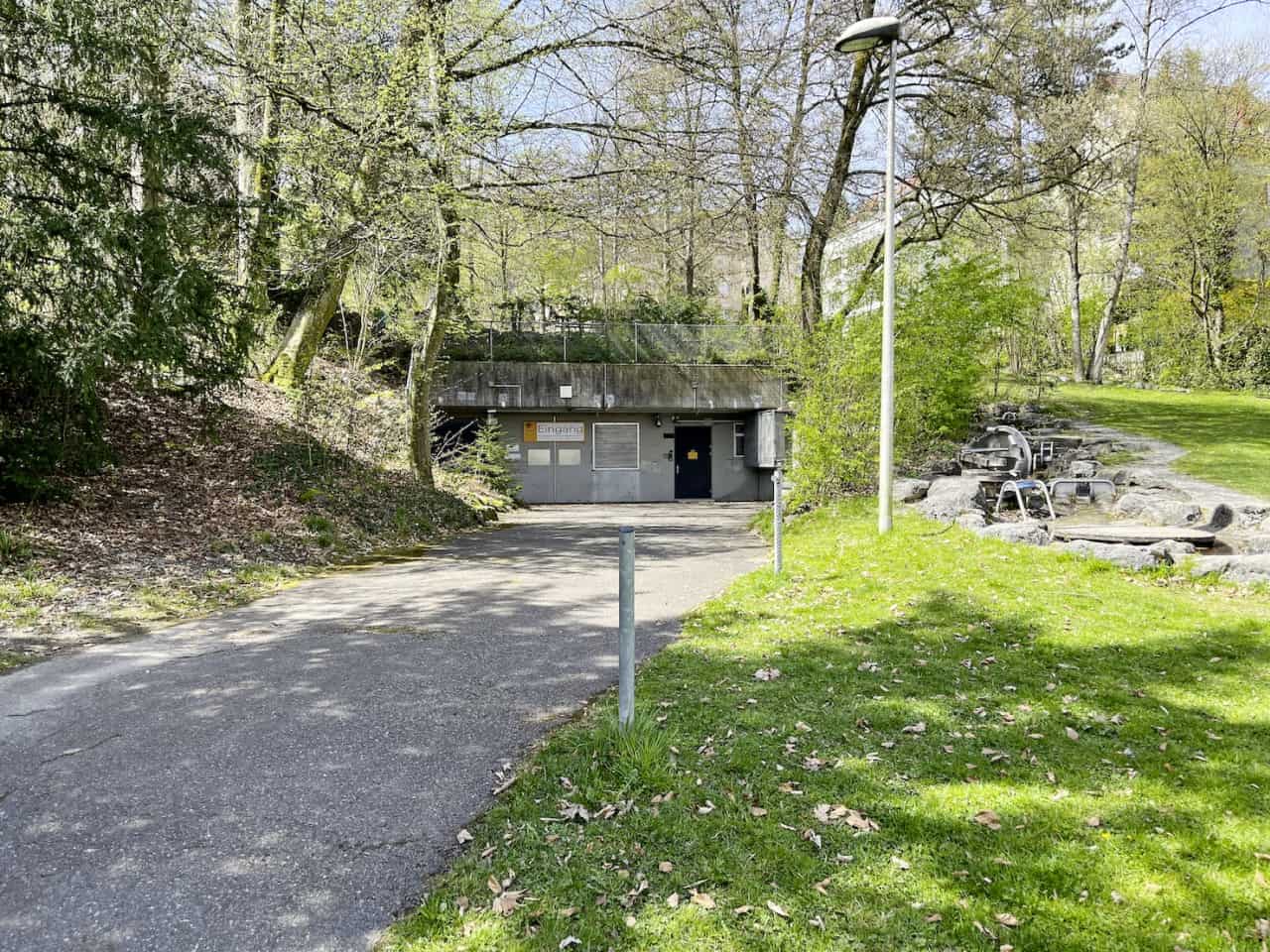
Today, the Sonnenberg bunker stands as a remarkable example of Cold War civil-defense engineering and is occasionally opened for guided tours, offering visitors insight into Switzerland’s extensive underground protection infrastructure.